Guide
Finding a distributor in Japan — and why a test launch comes first
When a small brand starts thinking about Japan, the first question is usually "Who will distribute us there?" It's a fair question. But for most small brands, it's the second step, not the first.
Where this comes from: we're a web company in Gifu, central Japan. For 26 years, we've helped Japanese businesses sell to Japanese customers, and our own e-commerce team sells products made in Japan in 13+ countries, about ¥150 million (roughly US$1 million) a year. We haven't yet taken an overseas brand into Japan — that's the work we're starting now. What follows is what we've seen from both sides.
Why "find a distributor" is a hard first step
Picture it from the distributor's side. A small brand from abroad, unknown in Japan, asks them to take it on. They can't tell yet if Japanese buyers will want it, at what price, or how many. So they either say no, or they say yes on terms that protect them.
In our experience, the thing that changes this conversation is proof: real Japanese buyers who paid, real feedback, real numbers. A brand that has that is easier to say yes to — and is in a better position to ask for fair terms.
What a test launch gives you
In Japan, the common way to get that proof is a launch on Makuake, a site where people pre-order new products before they reach stores.1 A campaign does three things a distributor can't do for you up front:
- It shows real demand. Orders, not opinions.
- It shows the right price. You learn what Japanese buyers will actually pay.
- It makes you visible. Store buyers, media and partners watch new launches.
For the small Japanese makers we've worked with, the campaign was the door, not the goal:
- Luminio (handcrafted pens, Okayama): 177 backers and 2,154% of the goal. Afterwards, store partners grew quickly, including an offer from a retailer with several stores in Japan.
- F-STYLE (fine-wood cutter knives, Gifu): 118 backers and 364% of the goal. New business partners came through the campaign and now carry the maker's other products too.
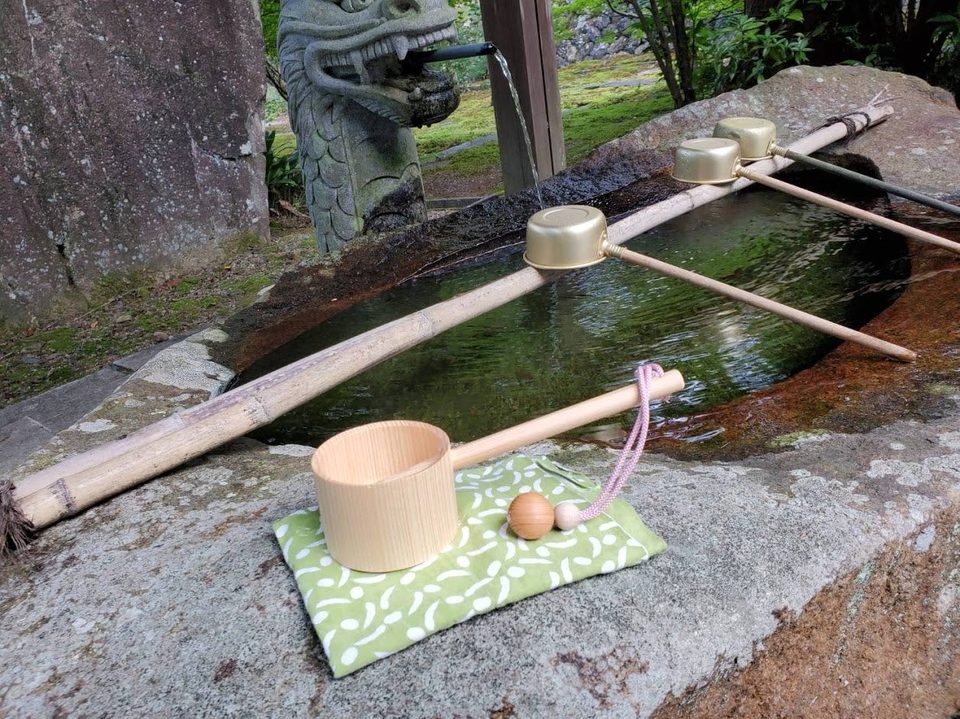
- Tomiya Honten (a wooden ladle for shrine visits, Gifu): 445 backers and 1,786% of the goal. TV coverage followed, then their own online store and a second campaign.
None of them started with a distributor. The partners found them after the launch.
Who runs a launch for a brand from abroad
A Makuake campaign needs a Japanese page, updates in Japanese and customer support in Japanese. When a brand from abroad launches there, a Japanese company often runs the campaign. A Korean shoe brand and an overseas camping stove, for example, both launched on Makuake through Japanese companies.2 Makuake itself introduces overseas makers to Japanese partner companies that run the campaign for them.3
One rule is worth knowing early. When a Japanese company launches an imported product, Makuake asks for an exclusive agreement for the Japanese market, at least until every reward is delivered.4 So the first partner you sign with in Japan matters, even for a test.
Questions to ask before you sign with anyone in Japan
Whether it's a campaign partner or a long-term distributor, these are the questions we'd want answered if we were in your place:
- Scope: Exclusive for which channels — crowdfunding, online, stores — and for how long?
- Exit: What happens if the launch doesn't work? Can you both walk away cleanly?
- Minimums: Is there a minimum order you must commit to before demand is proven?
- Pricing: Who sets the price in Japan, and how is the margin split?
- Customers: Who answers Japanese buyers, in Japanese, and how fast?
- Data: Will you see the sales numbers and the customer feedback?
- After the launch: What's the plan to keep selling once the campaign ends?
A good partner will have clear answers. If the answers are vague, that tells you something too.
How we work
We split it into two stages, so you don't have to commit to everything at once:
- Stage 1 — Japan Launch Partner. We run a test launch with you: research, the Japanese page, photos and video, social media and ads, and Japanese customer support.
- Stage 2 — Exclusive Japan Partner. If the launch works, we keep selling for you in Japan and grow your presence in stores.
Stage 2 only happens if Stage 1 shows real demand. That's the point of testing first.
Thinking about a partner in Japan?
Book a free 30-minute call and you'll talk to me directly. Bring your questions about distributors and contracts — I'll tell you what I'd do in your place, even if we're not the right partner.
Book a free 30-min call →Sources (checked November 2026)
- Makuake for project owners (Japanese)
- Makuake case study: a Korean shoe brand launched by OFFICE35 and an overseas camping stove launched by YOLO Goods Company (Japanese)
- EC no Mikata: Makuake's Global Official Partner Program for overseas makers (Japanese)
- Makuake for project owners: launching overseas products (Japanese)
- Makuake for project owners: listing standards (Japanese)