Guide
Selling in Japan as a small brand: what's actually different
You have a good product. It sells at home. Japan looks like the next step. Here are six things that change when you cross the border — from a small company that sells across borders every day.
A quick word on where this comes from. We're a web company in Gifu, central Japan. For 26 years, we've helped Japanese businesses sell to Japanese customers. We also sell abroad ourselves: our e-commerce team sells products made in Japan in 13+ countries, about ¥150 million (roughly US$1 million) a year. So we know both sides — the Japanese buyer, and what it feels like to sell in a market that isn't yours.
1. Being unknown is the starting point, not the problem
Most small brands are unknown in Japan. That's normal, even for brands that do well at home. One Korean shoe brand that launched on Makuake, Japan's pre-order crowdfunding site, says that in the Japanese market, not even its name was known. With a Japanese company running the campaign, it still drew 220 backers.1
Japanese buyers don't need to know your name. They need to trust the page, the product and the people behind it. The rest of this list is about earning that trust.
2. Japanese buyers read everything
In our experience, Japanese buyers read a product page closely: size, weight, materials, how to care for it, what's in the box, and when it ships. A short page with big photos and few facts looks like something is missing.
This is why we write Japanese pages from scratch rather than translating. A translated page answers the questions your home customers ask. A Japanese page has to answer the questions Japanese customers ask.
3. Promise only what's ready
AeroBand, a maker of electronic drum sticks, launched in Japan after Indiegogo. They wrote that Japanese consumers do not accept functions that have not been realized yet, and that every part of the product had to be accurate.2
We see the same. "Coming in a future update" or "colors may vary" can cost you trust. Show the real product, give a ship date you can keep, and say plainly what it does not do.
4. Customer support is part of the product
A Japanese buyer who asks a question expects a polite, clear answer in Japanese, and soon. While they wait for delivery, they expect updates. In our experience, this is where trust is won or lost — more than in the launch itself.
For a brand abroad, this is the hardest part to do alone: different language, different time zone, different expectations. It's also the part most worth handing to someone in Japan.
5. The order you enter matters
Makuake is for products that are new to Japan. If your product is already sold here — on Amazon Japan, another online shop or in stores — it usually can't launch there.3
So before you list on a Japanese marketplace "just to see", think about the order. A launch on Makuake first can test demand, collect orders before production, and give you proof to show store buyers. Listing first can close that door.
6. Plan for what comes after the launch
A campaign is a start, not a business. The founder of Atmoph, which launched on Kickstarter, said that after the campaign their own website was almost their only sales channel — and that they should have pushed harder on sales channels.5
For the small Japanese makers we've worked with, the campaign mattered most for what it opened up next:
- F-STYLE (fine-wood cutter knives, Gifu): new business partners, who now carry the maker's other products too.
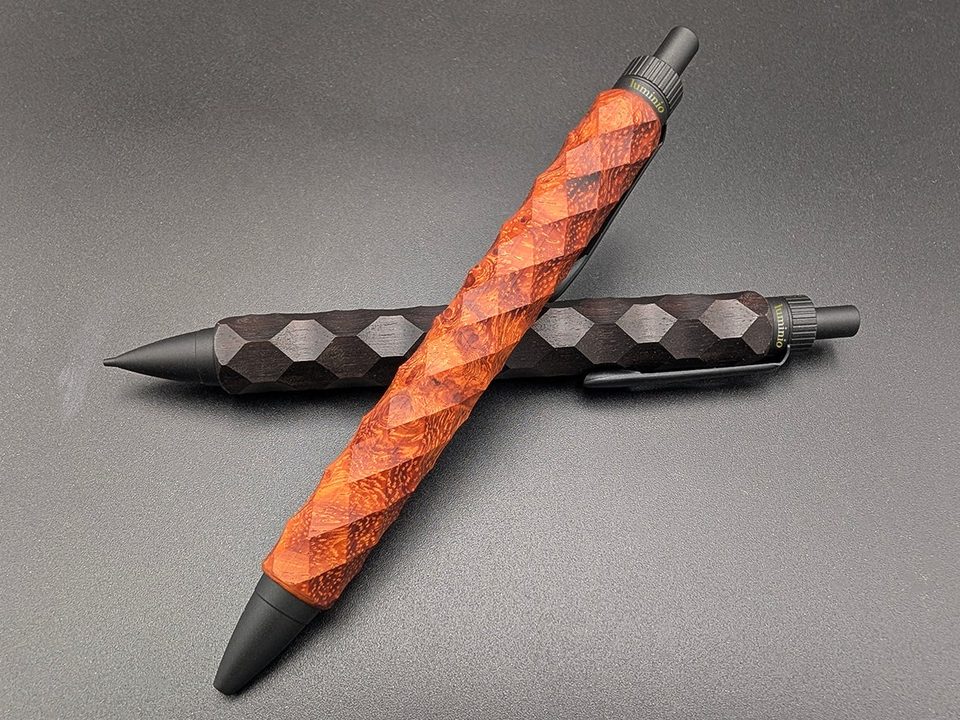
- Luminio (handcrafted pens, Okayama): store partners grew quickly, including an offer from a retailer with several stores in Japan.
- Tomiya Honten (a wooden ladle for shrine visits, Gifu): TV coverage, their own online store, and a second campaign.
These are Japanese makers, not overseas brands. But the lesson is the same for a brand from abroad: decide early who will keep selling for you in Japan once the campaign ends.
A short checklist
- Is your product new to Japan? If it's already sold here, a launch on Makuake is usually not possible.
- Can your page answer every practical question — size, materials, care, shipping date — in natural Japanese?
- Is every claim true today, not "soon"?
- Who answers Japanese customers, in Japanese, within a day?
- Who keeps selling for you in Japan after the campaign?
Want an honest read on your product?
Book a free 30-minute call and you'll talk to me directly. I'll tell you what I think your chances are in Japan — even if we're not the right partner.
Book a free 30-min call →Sources (checked October 2026)
- Makuake case study: a Korean shoe brand launched by OFFICE35 (220 backers, January–February 2024) (Japanese)
- AeroBand blog: entering the Japanese market on Makuake
- Makuake for project owners: listing standards (Japanese)
- Impress Watch: Makuake's basic policy on imported and OEM products (Japanese)
- Disrupting Japan: interview with the founder of Atmoph