Guide
How Makuake works: a guide for small overseas brands
Most people outside Japan have never heard of Makuake. If you make a good product and Japan is on your mind, it's worth five minutes.
What Makuake is
Makuake is a Japanese website where people pre-order new products before they reach stores. It started in 2013. As of June 2026, it has about 3.5 million members, and more than 51,000 projects have launched there.1
It works like crowdfunding, but in practice backers treat it as buying. They pay now, wait for the product, and expect it to arrive as promised. That changes how you should write your page — more on that below.
Which products can launch there
Makuake is for products that are new to Japan.2 Two things follow from that:
- If your product is already sold in Japan — on Amazon Japan, another online shop or in stores — it usually can't launch on Makuake.
- A product that is sold abroad but not yet available in Japan can still qualify.3 Makuake reviews each project, so there is no guarantee either way.
So the order matters. If Japan is a serious option for you, think twice before listing on a Japanese marketplace first. A Makuake launch is often the better opening.
Why it's a good first step for a small brand
- You find out if Japanese buyers will actually pay — before you ship stock or sign with a distributor.
- Orders come in before production, so you know how many to make.
- A good campaign becomes proof. For the small makers we have worked with, a strong campaign is what got store buyers and new trade partners interested.
Who runs the campaign
Brands from abroad already launch on Makuake. In the examples Makuake itself publishes, a Japanese company often runs the campaign for the overseas maker.4 That makes sense: the page, the updates and the customer support all need to be in natural Japanese, and someone has to handle shipping and questions inside Japan.
Makuake also asks that imported and OEM products say so clearly on the page.5 Japanese backers want to know who made the product and who stands behind it.
What a campaign involves
People think a campaign is a page and a button. In our work, it is five jobs:
1. Research
Who in Japan will want this, what similar products cost here, and what they will compare you with.
2. The campaign page
Written in Japanese from the start, not translated. Japanese backers read every detail: size, materials, how to care for it, when it ships.
3. Photos and video
Honest photos that show the real product, in real use. Japanese backers notice when pictures promise more than the product.
4. Social media and ads
In our experience, a campaign needs a push from outside Makuake, especially in its first days. Don't count on people finding it by browsing.
5. Customer support in Japanese
Quick, polite answers to every question, and regular updates while backers wait. In our experience, this is where trust is won or lost.
What happens after the campaign
A campaign is a start, not a business. The real goal is what comes next: shops, store buyers and repeat customers. Here is what happened for three small Japanese makers we have worked with.
| Maker | Result | Afterwards |
|---|---|---|
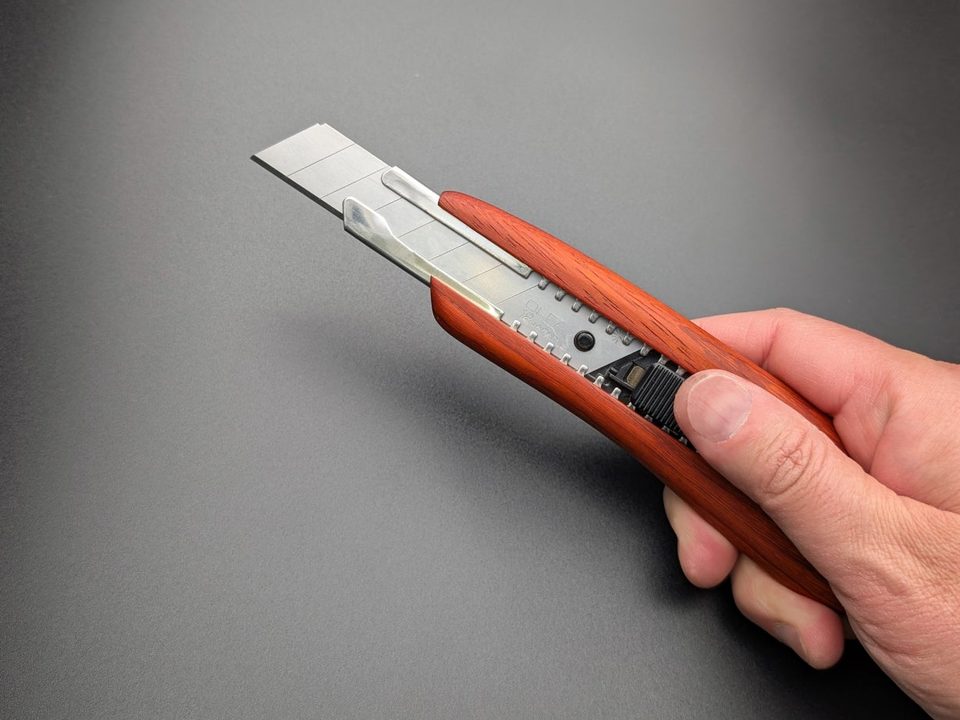
| F-STYLE (Gifu) Fine-wood cutter knives | 118 backers 364% of goal | New business partners, who now carry the maker's other products too |
| Luminio (Okayama) Handcrafted wooden pens | 177 backers 2,154% of goal | Store partners grew quickly, including an offer from a retailer with several stores in Japan |
| Tomiya Honten (Gifu) A personal wooden ladle for shrine visits | 445 backers 1,786% of goal | TV coverage, their own online store, and a second campaign |
These are Japanese makers, not overseas brands. But the path is the same for a brand from abroad: launch, prove demand, then grow into stores.
Is your product a fit?
In our experience, products with these traits do well:
- A good product that people love once they try it — even if few people know it yet
- A clear strength you can show in a 30-second video
- A retail price of around US$50 or more
- Everyday tools with a story: stationery, kitchen tools, outdoor gear, leather goods, home goods
Products that need complex Japanese certification — medical, cosmetics, food, electrical and wireless devices — take more preparation. Check the rules first.
Thinking about Japan?
We're a small company in Gifu, and we run these campaigns ourselves. Book a free 30-minute call and we'll give you an honest view of your product's chances on Makuake — even if we're not the right partner.
Book a free 30-min call →Sources (checked October 2026)
- Makuake Inc., investor relations: Makuake in numbers (Japanese)
- Makuake for project owners: listing standards (Japanese)
- Makuake for project owners: products sold abroad but new to Japan (Japanese)
- Makuake case studies (Japanese)
- Impress Watch: Makuake's basic policy on imported and OEM products (Japanese)
- AeroBand blog: entering the Japanese market on Makuake